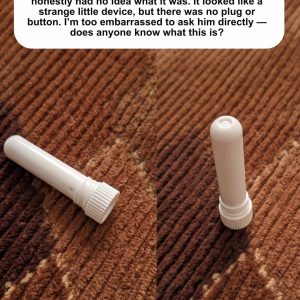
Some picture puzzles look simple until you actually slow down and look. Two images may seem almost identical, but one small detail can be different enough to hide in plain sight. The key is to study both pictures carefully instead of relying on your first impression.
A useful approach is to compare the images section by section. Start at the top and move across slowly, then continue downward while checking the corners, background, borders, and smaller objects. If something looks slightly unusual, compare that exact area with the other image before deciding. Taking your time can make a hidden difference much easier to find.
Our minds naturally focus on the overall scene instead of every individual detail. When two pictures look nearly identical, the brain may quickly assume they match and stop searching carefully. This is why you can sometimes look directly at the different area several times without noticing it. These puzzles are less about intelligence and more about patience, attention, and observation.
Before giving up, take one final look at both images. Pay special attention to ordinary-looking areas, because the hidden detail may be somewhere that seems completely normal at first. A slow, systematic scan can reveal what a quick glance misses.
Did you notice the difference immediately, or did it take a while? Either way, the challenge shows how easily our first impression can overlook something that was visible all along.