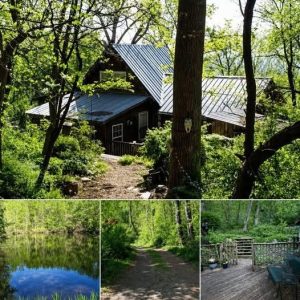
Exploring the outdoors often brings a sense of freedom, as forests, fields, and open trails feel vast and inviting. Yet that openness has limits. A fence line or a tree marked with purple paint can interrupt the landscape, and while it may look decorative or random, it carries a clear meaning: the land beyond is private, and entry is not allowed.
Purple paint laws emerged from practical frustrations faced by rural landowners. Traditional “No Trespassing” signs frequently faded, broke, or were removed, creating ongoing costs and legal disputes. Paint offered a more durable solution—harder to damage, easier to maintain, and less likely to be ignored.
Over time, many states recognized purple paint as the legal equivalent of posted signage.
The choice of purple is intentional. Unlike other colors that blend into foliage or weather over time, purple stands out against trees and fence posts in every season. Standardizing one distinct color also reduces confusion, creating a shared visual signal that does not rely on written language and is widely understood in outdoor communities.
Where recognized by law, purple paint serves as formal notice. Crossing a marked boundary can result in fines or other penalties, as the paint itself establishes that access has been clearly restricted. For hikers, hunters, or photographers in undeveloped areas, a single stripe may be the only warning provided.
However, purple paint laws are not universal, and regulations vary by state. Specific rules may govern the size, placement, and spacing of the marks. Because of this patchwork of laws, outdoor enthusiasts should familiarize themselves with local regulations when traveling, though any purple marking should prompt caution and respect.
Beyond legal enforcement, the paint symbolizes the balance between exploration and property rights. For landowners, property may represent livelihood, safety, and stewardship. The purple mark offers a quiet but firm boundary, reminding visitors that while nature feels open, not all land is public—and responsible recreation includes honoring clearly marked limits.