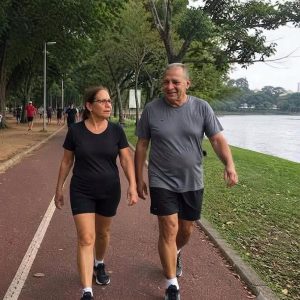
We often think of intimacy as something physical, but it is mostly emotional—formed through trust, warmth, eye contact, and shared vulnerability. Whether single or partnered, the desire for connection never disappears; it simply waits. The question of how long a woman can live without closeness “isn’t measured in days or months,” but in emotional balance and inner strength.
A woman can live independently and still feel fulfilled, yet, as the truth reminds us, “We can live without it… but not completely thrive.” Something quiet is missing without shared presence—a knowing smile or a gentle hand. Physical absence can be endured, but emotional distance is heavier. To feel seen and valued is what keeps confidence alive; without it, loneliness can appear even in full rooms.
Over time, distance changes the heart. “Silence builds invisible walls,” and self-protection can turn into isolation. The body also remembers closeness. “The body remembers,” and long stretches without affection may surface as tension, fatigue, or restlessness—not from weakness, but because the need for connection is human.
Comfort has a biological role. “Stress slips in where comfort is missing,” as tenderness helps calm the nervous system and support rest. People adapt by filling life with work, hobbies, friendships, or routines. These matter, but “We find substitutes, but they’re never quite the same.” In the quiet, self-worth may waver, though this absence reflects circumstance, not value.
In the end, adaptation is possible, yet incomplete. “We adapt… yet part of us remains hungry.” True intimacy is more than touch; it is laughter, conversation, shared walks, and understanding. The gentle truth remains: “The absence of intima:cy isn’t merely the lack of touch — it’s the absence of warmth, tenderness, and shared presence.” Independence brings strength, but affection gives life its heartbeat.