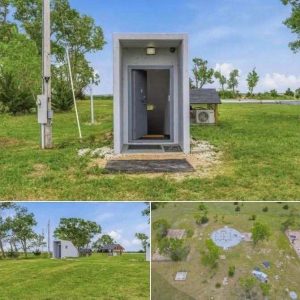
If you’ve ever visited an older apartment building, school, hospital, or public facility, you may have noticed a heavy metal door built directly into the wall. These strange-looking compartments can resemble small furnaces, but they once served a very practical purpose.
Before modern waste collection became common, these built-in units were **trash incinerators**, designed to burn everyday household waste inside the building. “Before regular municipal garbage collection became reliable, disposing of trash was a significant challenge,” especially in crowded cities. Incinerators helped reduce the amount of waste while controlling odors and discouraging pests such as rats and insects.
Residents or building staff placed combustible garbage inside the metal compartment, where it was burned at high temperatures. The remaining ash took up much less space and could later be removed. In many apartment buildings, incinerators were connected to chutes, allowing residents to throw away waste directly from their floors without having to leave the building.
Over time, however, concerns about smoke, pollution, fire hazards, and harmful emissions caused these systems to disappear. As environmental awareness increased and air-quality regulations became stricter, communities moved toward organized garbage collection and recycling instead.
Today, those old metal doors are rarely used for their original purpose. Instead, they remain as fascinating reminders of an earlier time, showing how buildings once handled household waste before modern sanitation systems became the standard.