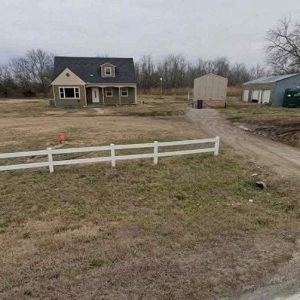
Imagine walking through a quiet rural area and noticing a fence painted purple. It may look like an unusual color choice, but in several U.S. states, purple paint can carry an important message: **stay off the property**. Instead of relying only on traditional signs, some landowners use purple markings to identify private land and warn people against trespassing.
The idea became popular because painted markings are durable and easy to maintain. Signs can fade, fall down, or be damaged by weather, while paint can remain visible for much longer. Arkansas became the first state to officially recognize purple markings for this purpose in 1997, and other states later adopted similar laws. However, the rules are different from state to state, so a purple fence does not automatically have the same legal meaning everywhere.
Where purple paint is legally recognized, markings generally need to follow specific requirements. They may need to be vertical, clearly visible, and placed at a particular height and distance along the property boundary. The original article explains that the markings should be “at least one inch wide and eight inches long” and placed “between three to five feet off the ground.” They may also be repeated regularly so the boundary remains obvious.
The reason purple works so well is its visibility. It is uncommon on fences and stands out against forests, fields, and other natural surroundings. The article describes purple as a color associated with “royalty, nobility, and power,” which may also contribute to its strong visual impression.
If you encounter purple markings while hiking, walking near farmland, or exploring wooded areas, don’t assume they are decorative. In states that recognize the system, they may be a clear warning that the land is private. Because laws vary,