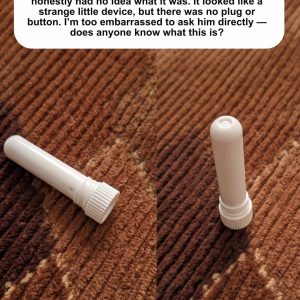
You’ve probably seen viral “spot the difference” puzzles claiming, “Only 1% of people can find all 14 differences!” While that statistic is usually just a dramatic hook, these puzzles are genuinely good at testing attention, patience, and observation.
To find differences more easily, scan the picture in a systematic way. Divide it into sections and move from left to right, checking each area carefully. Look for missing or added objects, changes in color or shape, different numbers or text, altered shadows, reflections, facial features, and patterns. If you are struggling, relax your eyes or quickly switch between the two images. Sometimes a difference becomes easier to notice through peripheral vision or movement.
There is also a reason people overlook details. **Change blindness** causes the brain to filter out information it considers unimportant, while assumption bias makes us expect two similar images to remain the same. Fatigue can also make the final few differences much harder to spot, especially when the changes are extremely small.
The real appeal of these puzzles is not proving that you belong to some “1%.” They encourage you to slow down and pay attention in a world full of distractions. As the original article puts it, **“These puzzles aren’t about being in the ‘1%’—they’re about patience, presence, and playful attention.”**
So whether you find five differences or every single one, the challenge still gives your observation skills a workout. And when sharing one with others, there’s no need for exaggerated statistics. **“Take your time. The joy is in the looking.”**