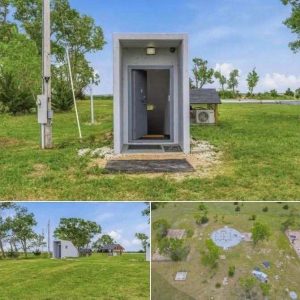
Long before modern plumbing, families depended on hidden cisterns built into and beneath their homes. These quiet reservoirs collected rainwater or diverted spring water, supplying drinking, cooking, and bathing needs when water was scarce. They were true lifelines in times when reliable access to fresh water did not exist.
Skilled masons carved chambers under floors or behind walls and guided water into these concealed spaces. The design was intentional: careful slopes, stone or brick linings, and tight construction helped households survive dry seasons. Built to last, these systems later faded from daily life as modern plumbing made them unnecessary and easy to forget.
Finding a buried cistern today feels like uncovering a time capsule. Subtle clues—odd floor tiles, strange paint patterns, or shifted walls—can reveal traces of a home’s original design. For homeowners and historians, this discovery connects the present to the past and shows how families once planned for uncertainty.
“Discovering a buried cistern today is like opening a time capsule.” These spaces invite curiosity and respect for earlier solutions to everyday problems. Restoring one can become “a conversation across time,” linking modern lives with the ingenuity of those who built before us.
Preservation experts can help stabilize old cisterns while respecting their history. Some homeowners adapt them for modern rainwater collection, blending tradition with sustainable living. “These hidden reservoirs remind us how previous generations adapted to challenges,” offering lessons in resilience. Protecting them keeps local history alive while inspiring practical ideas for the future.