As people get older, mild forgetfulness or slower movement can be normal. But sudden confusion, slurred speech, loss of balance, or numbness are red flags and may point to a transient ischemic attack, often called a mini-stroke, rather than routine aging.
A TIA happens when blood flow to part of the brain is briefly blocked by a small clot or narrowed artery. Symptoms may fade within minutes, which can be misleading, but this event is a serious warning that a major stroke could follow without prompt care.
Risk rises with high blood pressure, diabetes, high cholesterol, heart disease, smoking, family history, and advancing age. Knowing these risks helps people recognize danger sooner and take preventive steps before lasting damage occurs.
When symptoms appear, urgent medical care is crucial. Doctors can identify the cause and lower future risk with blood-thinning medication, blood pressure and cholesterol control, and, in some cases, procedures to restore healthy blood flow.
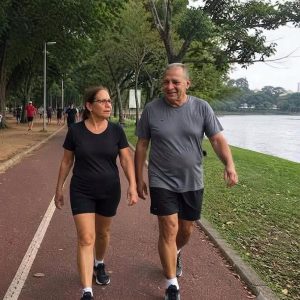
Daily habits matter just as much. Regular exercise, quitting smoking, limiting alcohol, eating well, and managing stress reduce the chances of both TIA and stroke while supporting long-term heart and brain health.
A mini-stroke isn’t something to shrug off; it’s the body’s early alarm. Recognizing the signs and acting fast can protect independence, preserve quality of life, and safeguard precious years with loved ones.