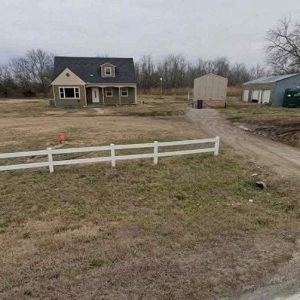
The small mountain cottage sat quietly among towering trees on more than thirty-five acres of peaceful countryside. Built in 1900, the home had already received updates like a metal roof, newer windows, and sturdy flooring, but many rooms remained unfinished. Despite its size, the property offered scenic trails, wildlife, and a rare sense of peace, making it the perfect place for a fresh start while preserving its historic character.
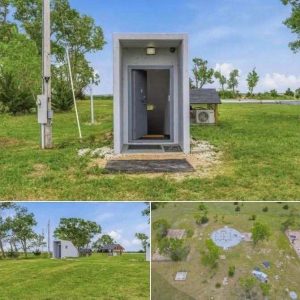
After buying the property, I received an old brass key that had been found beneath a porch board. The realtor explained that “the previous owner had requested that it remain with the property because it had been passed down through generations.” After searching the house without success, I followed a nearly hidden stone path into the woods, where I discovered a weathered wooden door built into a hillside. The key fit perfectly, revealing a carefully constructed underground storage room filled with shelves, jars, tools, baskets, and crates.
Inside, I found a worn leather journal written by the cottage’s original owner. It explained that the shelter had been built to store food, family papers, farming tools, and supplies during harsh winters. The journal also described neighbors working together, sharing harvests, and helping each other through difficult times, showing how cooperation was essential for survival.
Local historians later confirmed the shelter was an excellent example of an early Appalachian storage room, preserving an important part of regional history. I restored both the cottage and the shelter while keeping their original character, and the underground space now welcomes occasional educational visitors.
Today, people visit not for luxury but for its connection to the past. The property reminds visitors that “The greatest discoveries are not always valuable because of money—they often remind us of the resilience, traditions, and everyday experiences that connect generations across time.”