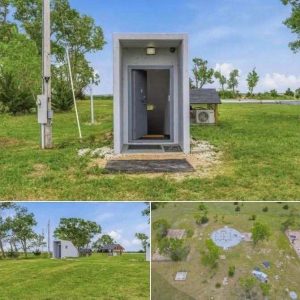
The tiny home lifestyle has gained growing attention as a creative alternative to traditional housing. As housing prices continue to rise and environmental concerns become more prominent, many people are exploring smaller living spaces as a practical and meaningful choice. For them, the appeal lies not in how much space they own, but in how well that space supports a balanced and fulfilling life.
A major motivation behind the movement is the desire to live more sustainably. By choosing a smaller home, people can significantly reduce their energy use and overall environmental impact. Many tiny homes are designed with eco-friendly features such as solar panels, energy-efficient insulation, and composting toilets, helping residents lower both waste and resource consumption.
Living in a compact space also encourages more thoughtful consumption. With limited room available, homeowners often become more aware of what they bring into their homes, leading them to recycle, repurpose, and reduce unnecessary purchases. This lifestyle can strengthen a connection with nature and increase awareness of daily habits, aligning with broader efforts to live in a more environmentally responsible way.
The tiny home movement also reflects the principles of simplicity and minimalism. Because every square foot matters, residents must carefully choose which possessions truly deserve a place in their homes. This often leads to letting go of excess belongings and focusing on items that serve a real purpose or bring genuine value.
Adopting a minimalist approach can have emotional and psychological benefits as well. Without the clutter and constant pressure to accumulate more things, many people find themselves focusing more on experiences, relationships, and personal growth. The calm and organized environment of a tiny home can create a sense of peace that is sometimes difficult to achieve in larger, more crowded spaces.
Beyond philosophy, tiny homes also offer practical advantages. They are generally easier to clean, cheaper to maintain, and far more affordable than conventional houses. Many are even built on wheels, allowing owners to relocate whenever they wish. This flexibility appeals to travelers, remote workers, and anyone who values the freedom to explore new places without the financial and logistical burdens of traditional homeownership.