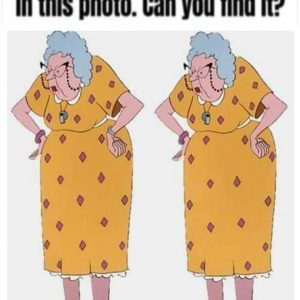
An ordinary image can sometimes hide a detail that seems impossible to notice at first. You may look at it once, twice, or even several times and still believe everything is normal. Then suddenly, the hidden difference becomes obvious. Nothing in the picture actually changed. Instead, your attention finally caught something your eyes had already seen.
This happens because the brain naturally looks for patterns and familiar information. Once it decides that an image makes sense, it stops carefully examining every small detail. Anything unusual can be ignored because the mind treats the scene as complete. The tiny difference is not invisible; it is simply overlooked because the first impression feels convincing.
The best way to solve these puzzles is to slow down and examine the image carefully. Instead of scanning the entire picture at once, divide it into smaller sections and ask, “what exactly is here”. Looking at each part separately can make details that seemed invisible suddenly stand out.
This habit can also be useful outside puzzles. A changed date in a contract, a single incorrect number, or one altered word in an email can easily be missed when someone is rushing. Careful observation gives these small details a better chance of being noticed.
Spot-the-difference puzzles are therefore more than simple entertainment. They encourage people to pause, question their first impression, and examine information more carefully. Sometimes the smallest detail can matter the most, and learning to notice it begins with taking an extra moment to look.