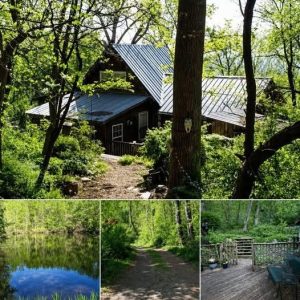
I always believed the farm was my safe place. I never imagined I would have to fight to stay there the week we buried my grandfather. When my parents died in a car crash, I was twelve, and everything changed. In a hospital hallway, I heard Grandpa say, “She’s coming home with me.” From that moment on, the farm became my world. When nightmares came, he would whisper, “You’re safe here, Katie. Nothing touches you on this land.”
Years later, after a failed marriage, I returned with my three children. Grandpa welcomed us, saying, “More boots means more life.” As his health declined, I took over the farm — managing harvests, loans, and repairs — while his daughter, my Aunt Linda, lived comfortably in Chicago and rarely visited.
When Grandpa passed, I held his hand as he took his final breath. Linda arrived hours later, inspecting the house and announcing, “Developers would fight over this. It’s worth a fortune.” The night before the funeral, she told me, “You have three days… to pack up.”
At the will reading, she confidently declared ownership. But the lawyer calmly said, “Three days ago, your father didn’t own the farm anymore.” Grandpa had placed it in a protected trust, naming my five-year-old son as the owner, with me as caretaker. His recorded words filled the room: “Katie and those kids kept this place alive. They’ve earned the right to stay.”
Linda exploded, but the decision was final. She would receive money only if she worked the farm for five years. Furious, she left.
Weeks later, peace returned. One evening, my daughter asked, “Does this mean we’re not moving?” I held her close. “We’re not going anywhere.”
As the sun set over the fields, I realized Grandpa hadn’t just saved land. He saved our future. This wasn’t just a farm — it was home, and we were staying.